Yards Graded Before Anything Gets Planted
Landscaping in Harlem for properties where surface grade and water flow need to be established before planting or sod
Newer subdivision lots and older rural parcels around Harlem share one condition that determines whether landscaping holds up or fails within the first growing season: the surface grade either sheds water away from the house or it does not. V & S Grading is a small owner-operated landscaping and site crew based in Harlem, Georgia, and what separates their work from a standard planting-only service is that the same crew that clears, grades, and drains the lot also handles the planting beds and lawn surface, so water flow and plant placement are planned together from the start rather than treated as unrelated tasks.
The crew evaluates the existing grade before any soil amendment, bed preparation, or sod work begins, because planting beds installed over ground that drains toward the foundation will saturate the root zone every time it rains. Grading the surface to establish the correct slope is the first step, and on rural parcels with years of uneven settling or poorly defined lot edges, that may involve cutting and filling before a final grade is set. Before signing a landscaping quote, ask what is included in the base price: soil, mulch, plant material, and irrigation are frequently quoted separately, and understanding those line items is how you compare bids accurately.
Schedule a yard evaluation with V & S Grading to assess your current grade and discuss what the landscaping scope will require for your specific lot.
The Difference Between Graded and Ungraded Landscaping
Landscaping installed over an ungraded surface follows the existing irregularities of the lot, which means planting beds collect water at their low edges, sod develops soft spots where the ground beneath it was never leveled, and the visual result deteriorates faster than the plants do. Grading before planting means the finished surface has a deliberate slope, the beds drain toward the yard rather than toward the foundation, and the lawn surface is consistent enough for mowing without scalping high spots or leaving low ones uncut.
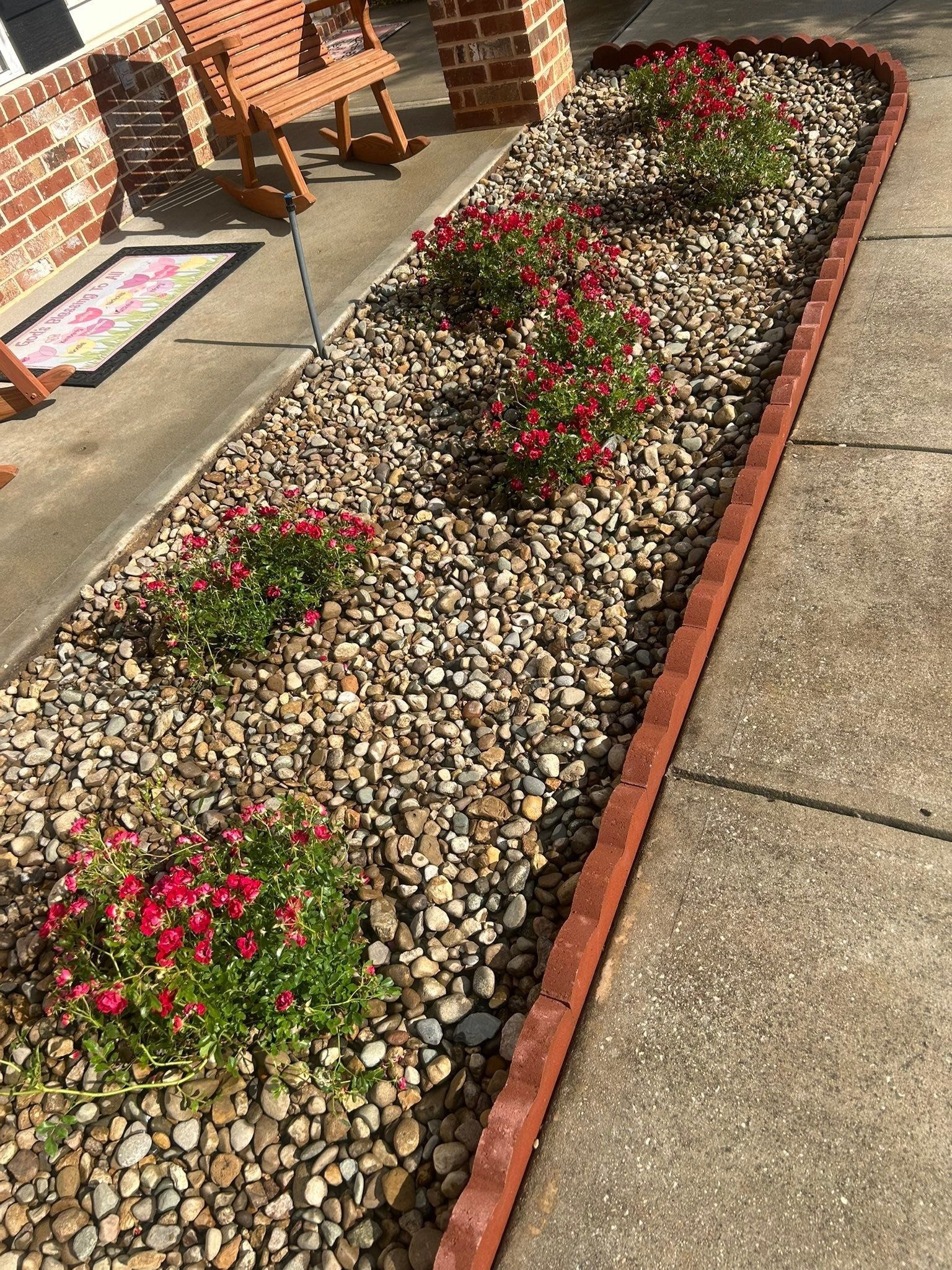
Once grading and planting are complete, the observable difference is a yard that drains predictably after rain, planting beds with consistent mulch depth that do not washout at the edges, and a lawn surface that stays even rather than developing ruts and soft areas over the first season. V & S Grading approaches the finished grade as the structural layer that all of the visible landscaping sits on, so the surface you see after the project is also the surface that is managing water beneath it.
Properties in the Augusta and Appling areas vary significantly in how much existing grade work is needed before planting can begin, ranging from lots that only need topsoil amended and leveled to parcels with significant cut-and-fill requirements before any sod or bed material is appropriate. Clarifying which category your lot falls into at the quote stage is what prevents landscaping budgets from expanding mid-project when grade problems are found after planting has already started.
Answers About How the Work Is Done
The following questions address how landscaping and yard grading are approached on the residential and rural property types found across Harlem and the surrounding Columbia County area.
What has to happen to the yard before sod or planting beds are installed?
The surface grade is established first, which involves clearing existing vegetation, cutting high spots, and filling low areas before topsoil is spread and compacted to a consistent elevation that sheds water away from the structure.
How does a crew determine the correct slope for a finished yard surface?
The finished grade is set to drain at a minimum of two percent away from the foundation on all sides, with steeper slopes used where the lot naturally falls away faster, and the grade is verified with a level across multiple points before any topsoil or sod is placed.
Why do older rural lots near Harlem often need more grade work than newer subdivision lots?
Rural parcels were frequently cleared and graded only at the house footprint when they were developed, leaving the surrounding yard at its natural uneven elevation, which means years of settling, erosion, and added structures have created irregularities that require deliberate cut-and-fill work before landscaping goes in.
How are planting bed edges kept from washing out after installation?
Bed edges are set at or slightly above the surrounding grade and mulched to a consistent depth so water moving across the surface sheds over the edge rather than cutting under it, and edging material is installed at any point where the bed meets a lawn area subject to foot or equipment traffic.
What is the sequence of work from a cleared lot to finished landscaping?
The sequence runs from clearing and rough grading through subgrade compaction, topsoil placement, fine grading, bed preparation, planting, mulching, and then sod or seed on the lawn areas, with each step depending on the one before it being properly completed and settled.
V & S Grading also performs
landscaping and yard grading in Evans, Grovetown, Augusta, Martinez, and Appling. To talk through what your lot's grade and planting scope will involve, call V & S Grading at (706) 901-0595 and describe your current yard conditions.